


Second Homes Shape Life on Spain’s Coastal Cities – Torrevieja as an Example
1st July 2025
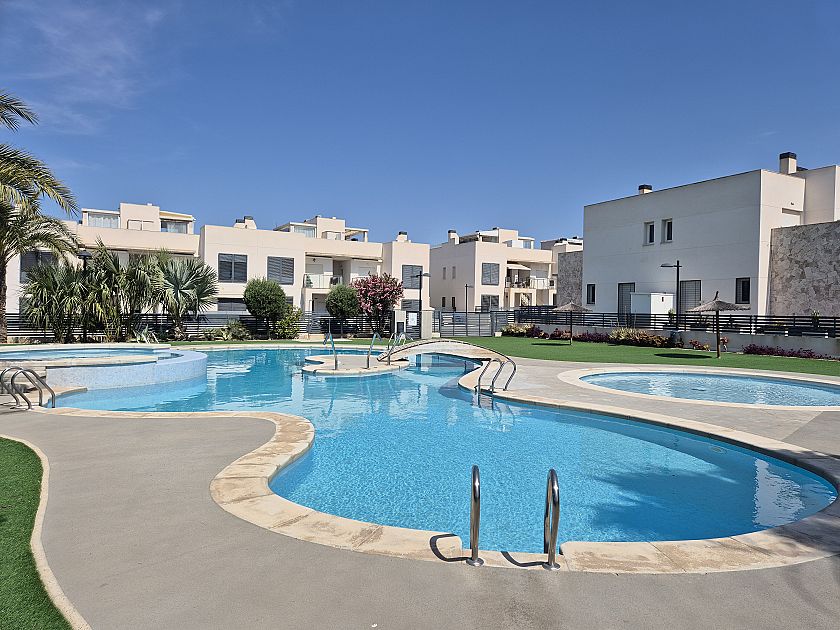
Second Homes Shape Life on Spain’s Coastal Cities – Torrevieja as an Example
Many cities along Spain’s Mediterranean coast operate in two distinct rhythms: calm and quiet in the winter, buzzing and vibrant in the summer. A key reason is the high proportion of second homes – in many places, there are far more properties used for holiday stays than for year-round living.
Torrevieja is a prime example. The city has around 122,000 homes, but only about 36,000 are permanently occupied. That means roughly 70% of Torrevieja’s housing stock is made up of second homes, filling up mainly during the summer season. Similar figures can be found in other popular resorts such as Oropesa del Mar, Peñíscola, and Santa Pola, where between 60–80% of properties are seasonal.
How did this happen?
The tourism boom of the 1980s created large residential complexes designed for occasional use. In winter, streets become quiet, but in summer the population can multiply several times over. In some municipalities, less than 20% of properties are lived in year-round.
Economic benefits and daily challenges
Seasonal population growth generates significant revenue for accommodation, restaurant, and service industries – but it also puts pressure on local infrastructure. Waste collection, water supply, and healthcare are sized for permanent residents, and these systems are pushed to their limits during peak months. In Torrevieja and Calpe, waste management companies report up to a 45% increase in waste during the summer.
Peñíscola, for instance, has around 9,000 permanent residents, but in July and August the number can exceed 80,000. This forces municipalities to add waste collections, secure water reserves, and increase police and emergency services.
Community impact
Seasonal residents may not fully integrate into local life, and short-term stays can bring challenges like noise, parking shortages, and traffic congestion. Strong demand for housing can also push prices up, making it harder for locals to find affordable homes.
Need for a new funding model
While tourism generates tax income, not all of it remains in the local area. Spain’s municipal association has proposed that tourism-dependent towns receive a larger share of revenue to cope with seasonal costs. This could help balance the benefits of tourism with the quality of life for year-round residents.
Why buying a coastal property still makes sense
Despite the challenges, there are compelling reasons to buy a home on Spain’s coast:
-
Lifestyle quality – Over 300 days of sunshine a year and a mild climate make it enjoyable all year round.
-
Investment potential – In popular areas, property values have generally increased in the long term, and seasonal rentals can generate strong income.
-
Easy access – Proximity to international airports allows for quick getaways and frequent visits.
-
Culture and services – International communities, diverse dining, and reliable healthcare add to the appeal.
-
Remote work opportunities – The rise of remote work makes it easier to spend extended periods abroad, making a second home more practical.
With realistic expectations and careful planning, a coastal property can deliver both lifestyle benefits and long-term financial value.
You can find apartments for sale in Torrevieja, Orihuela Costa, and the Costa Blanca https://www.camiro.es/en/properties/
